

Chasing Steam: A Day Photographing Sir Nigel Gresley on the NYMR
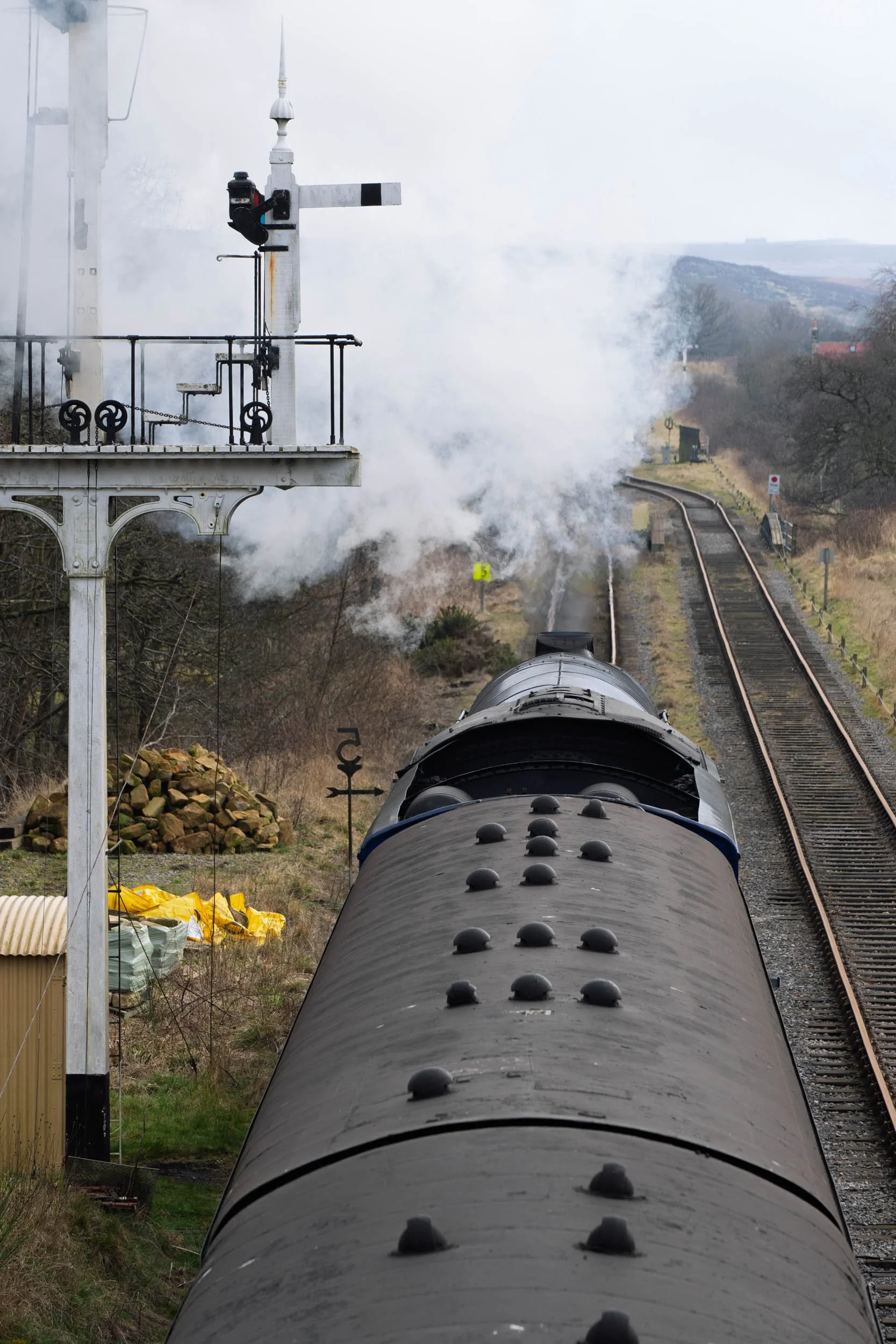
Some locomotives have a real presence, and Sir Nigel Gresley is one of them. When I heard it was visiting the North Yorkshire Moors Railway, I knew I had to capture it again. My day turned into a whirlwind chase across stations, from Pickering to Goathland, Grosmont, and Levisham, battling winding roads and last-minute dashes to get the perfect shot. The locomotive in full steam was truly a sight to behold, giving me goosebumps as it thundered through the valleys. I didn’t quite have time for that distant landscape shot, but there’s always next week!
[Read the full post →]

Some locomotives have a real presence—something about their history, engineering, and the sheer spectacle of their motion makes them irresistible to photograph. Sir Nigel Gresley is one of those engines. Having captured it a few years ago, I knew I couldn’t miss the opportunity when I heard it was visiting the North Yorkshire Moors Railway (NYMR)for a week. With no real plan, I grabbed my camera and set off.
Pickering: The Starting Point
Pickering seemed like a sensible place to start. It’s a great station with plenty of photographic potential, but when I arrived, the platform was dominated by a diesel locomotive. Where was Sir Nigel? Turns out, it was at the other end of the train, with the diesel along for the ride. Despite the crowds and the limited time before departure, I managed to capture the star of the show—a striking sight in its gleaming blue livery.


The Race to Goathland (Via an Unplanned Adventure)
With the train leaving Pickering, I decided to hot-foot it to Goathland to capture it in a more scenic location. But my chosen route took me over the moors—winding roads, steep inclines, and then a deep ford. Not ideal for my popular German Saloon car! There was no way I was risking that crossing, so I had to quickly rethink.
Instead, I diverted to Grosmont, just in time to see the train arriving. The sight of steam billowing through the valley made for some fantastic shots, and I could already tell the day was going to be as much about capturing the atmosphere of the railway as the locomotive itself.


Goathland: Just in Time!
Determined to get a classic under-the-bridge shot at Goathland, I pressed on. The station, famous for its appearances in Heartbeat and Harry Potter, has a wonderful vintage charm, making it a great setting. I arrived just in time to get the perfect shot of Sir Nigel Gresley thundering through. There’s something about steam engines in motion that still gives me goosebumps—it’s not just the visuals but the sound and energy they bring.

Levisham: A Quiet Stop
Next, I made a last-minute decision to head to Levisham, another stunning location on the line. Getting there was another challenge—a winding, steep, single-track road leading to the station. But I made it just in time (again!) to capture more shots as the locomotive passed through.


The Return to Pickering
After a day of mad dashes and close calls, I decided to return to Pickering to catch the locomotive’s final arrival. The platform was just as busy as before, full of fellow enthusiasts and visitors soaking in the sight and sound of this magnificent machine.


More Than Just a Train
While my main goal was to photograph Sir Nigel Gresley, I also wanted to capture the essence of the day—the crowds, the movement, the atmosphere of a heritage railway in full swing. I’m not a train spotter, but there’s something undeniably special about seeing an engine like this fully steamed up and powering along the line. It was an exhausting but exhilarating day, filled with unexpected detours, last-minute arrivals, and plenty of rewarding shots.
Would I do it again? Absolutely. Next time, though, I might just plan my route a little better!
I didn’t quite have time to capture that distant shot of the locomotive winding its way through the valleys of the Yorkshire Moors—but there’s always next week!

Photographing York Station
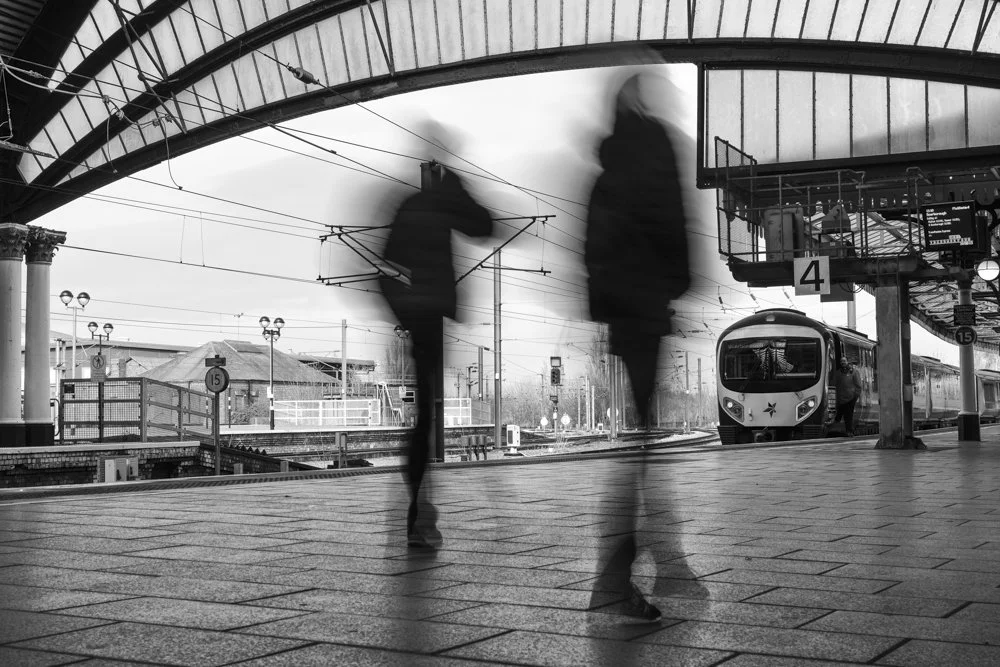
A morning shoot at York Station didn’t come with the best light, but sometimes you just have to work with what you’ve got. With the platforms unusually quiet due to a signalling issue, I took the chance to focus on composition, scout the location for a future visit, and even grab some shots to help develop new Lightroom presets. Despite the flat conditions, I walked away with images I was really pleased with—proof that good photography isn’t always about perfect light.
A Morning Shooting at York Station – Quiet Platforms and a Chance to Scout
Sometimes, you just have to work with what you get. I had to be in York anyway, so I figured I’d take the opportunity to spend some time photographing York Station. Not the best light—flat, grey, uninspiring—but I wasn’t going to let that put me off.
Turns out, it was quieter than expected, thanks to a signalling issue further north that had trains stacking up elsewhere. For a while, the station had an almost eerie calm. No rush-hour bustle, no fast-moving commuters—just the occasional announcement echoing through the arches and the sound of idling engines. Not ideal if you’re after dynamic shots of movement and energy, but actually, it gave me time to really take in the space.
York Station is an impressive place to shoot—sweeping curves, Victorian ironwork, long perspectives that pull the eye down the platforms. Even on a dull day, there’s plenty to work with. I focused on compositions, playing with symmetry and lines, and capturing some details I might have overlooked if I’d been distracted by busier scenes.
Despite the uninspiring light, I came away with a few shots I was happy with. More importantly, it was a great exercise in scouting. I now have a much better feel for the best angles, how the light moves (or doesn’t!) through the space, and where I’ll want to be positioned when I come back at a better time—maybe at dusk or early morning when the light gives the station’s structure a bit more drama.
Given how quiet it was, I also decided (whilst grabbing a cappuccino) that I could use some shots to help develop some Lightroom presets. Testing presets in challenging lighting conditions is always useful—it makes sure they work for more than just golden hour glow. So, a bit of editing experimentation will come out of this session too.
So, while it wasn’t the most dazzling morning for photography, it was definitely time well spent. And York Station, with its character and history, is somewhere I’ll definitely be returning to—hopefully with better light and a few more trains in motion next time. That said, despite the less-than-ideal conditions, I did end up with some shots I was really pleased with—proof that even when the light isn’t on your side, there’s still plenty of potential if you take the time to look for it.




Chasing Sunrise at North Landing, Flamborough
North Landing, Flamborough, had been on my list for a while, and we finally made the trip, hoping for a spectacular sunrise. The light didn’t quite deliver, but the location more than made up for it. With fishing boats beached on the shore, abandoned machinery, and the rugged beauty of the cove, it was a fantastic place to explore with the camera. A reminder that sometimes, great shots come from atmosphere rather than perfect conditions!
Sometimes, the best photography trips aren’t about the light—sometimes, it’s just about the place.

North Landing, Flamborough, had been on my radar for a while, yet somehow, despite it being only a short drive from home, I’d never actually been. What really drew me in were the fishing boats that sit “parked” on the beach—something you don’t see every day. So, after checking the forecast and seeing the potential for a decent sunrise, we made our plans and set the alarms.
Of course, as is often the case with landscape photography, the spectacular light never quite happened. The sky stayed fairly flat, the colours muted. But honestly? It didn’t matter. North Landing turned out to be an incredible place to explore with the camera.
The tide was high and rolling in, which is something to be mindful of if you visit. And if you’re tempted to explore the caves, be cautious—there were clear signs of recent rockfalls from the overhanging cliffs. Winter gave the place a raw, atmospheric feel, with cool tones dominating the scene. The mix of abandoned boats, old machinery, and rugged coastal textures created a sense of urban decay against the backdrop of the beautiful cove.


Even without golden-hour magic, North Landing was a fascinating spot to photograph. One to return to for sure—maybe next time, the light will play ball!
Follow us on social media to see what we’ve been up to and check out or Store pages if you’d like a print. If you don’t see the image you want get in touch.

The Fairy Pools
The Fairy Pools on the Isle of Skye are a picturesque location with a rich history. It's a popular spot for photographers and walkers and nature lovers. Located at the foot of the Black Cuillins it’s a magical place to visit.

Winter mornings can be a tricky time to get up and about, but there's something truly magical about the Fairy Pools on the Isle of Skye that makes it all worthwhile. I recently had the pleasure of spending a crisp winter morning photographing this breathtaking location and let me tell you, it did not disappoint.
Of course, one thing to keep in mind when visiting the Fairy Pools (and indeed, much of Skye) is that the roads can be pretty rough. So if you're driving, make sure to approach them with care. But once you arrive at the pools themselves, it's all worth it.


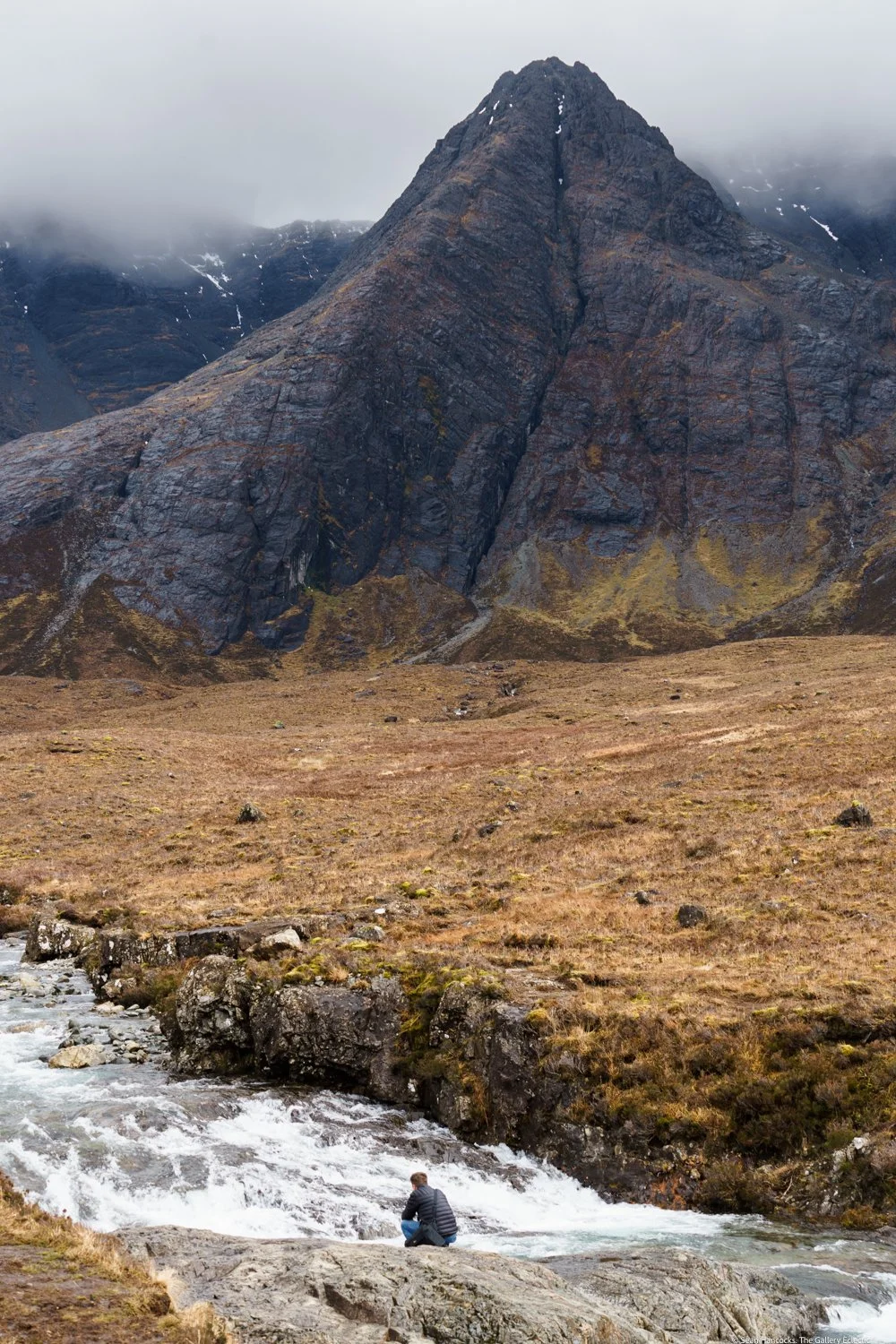

The Fairy Pools are not just a beautiful location but they also hold a significant place in Scottish history. They were the location of the last and bloodiest Battle of Coire na Creiche, fought between the MacLeods of Dunvegan and the MacDonalds of Sleat. The bloodshed that took place here is a stark contrast to the tranquil beauty of the pools we see today.


Located at the foot of the majestic Black Cuillins, the Fairy Pools are surrounded by stunning natural beauty. It's no surprise that they have become a popular destination for photographers, walkers, and nature enthusiasts alike. But it's important to remember the rich history of this place, which adds to the allure of the pools. So when you visit, take a moment to reflect on the past and appreciate the present.
On the morning we visited, the pools were relatively quiet to start with, only a few other photographers and walkers were around but as the morning progressed more and more people arrived. During peak tourist season, they can get very busy. So if you're looking for a more peaceful experience, winter might be the perfect time to visit.
As for the photography itself, I have to say that the Fairy Pools are an absolute dream to shoot. The water is crystal clear and the surrounding scenery is simply breathtaking. I could have spent hours just wandering around and taking it all in.


So if you're looking for a winter adventure that's both peaceful and awe-inspiring, I can't recommend the Fairy Pools enough. Just be sure to approach the roads with care and keep in mind the rich history and stunning natural beauty that surrounds you.

Top Tips for your visit
If you're planning a visit to the Fairy Pools, here are some key tips to keep in mind:
Take care when driving on the roads, especially in winter months.
There is a parking fee of £6 for cars, but the car park is well-surfaced and there are toilets available.
Bring your own refreshments as there are no on-site facilities.
The nearby cafe at Loch Brittle is closed out of season, so plan accordingly.
Dress for Scotland's changeable weather - bring warm layers, waterproofs and sturdy footwear.
The walk to the pools is relatively easy on gravel paths, but there are a few areas that can be tricky as you climb higher and the formal path disappears.
The Fairy Pools are located about 40 minutes' drive from Portree.
By keeping these tips in mind, you can make the most of your visit to this enchanting location. So why not plan a trip to the Fairy Pools and experience the magic for yourself?

Travelling through the Cairngorms
Capture the stunning scenery of Scotland's Cairngorms while travelling along the A9 road. With these tips for photographing from a moving vehicle, you can create beautiful and memorable photos.

Gorgeous light over the mountains ahead
We're sure we've all marvelled at the breathtaking scenery as we travel through it, but have you ever considered photographing it at the same time? If you're driving along the A9 road through the Cairngorms in Scotland, you're in for a treat. With its stunning mountain ranges, vast landscapes the Cairngorms provide the perfect backdrop for some incredible photographs. So, why not take advantage of this opportunity to capture some amazing shots while on the move.

Rugged mountains and the stunning beauty of landscape in perfect juxtaposition with man made objects
One of the main challenges of photographing from a car is the limited time you have to compose your shots. You have to be quick to spot the opportunities and have your camera ready to capture the moment. It can be easy to miss the perfect shot or not frame the subject in the best way possible, but don't worry, practice makes perfect!
Remember that when photographing from a moving car, your pictures may contain some imperfections such as marks on the windows or slight blur from the movement of the car. However, don't let these imperfections discourage you from trying. Sometimes, these elements can add character to your photos and make them even more interesting. Embrace the imperfections, and don't be afraid to experiment. At the end of the day, it's all about having fun and capturing the beauty of your surroundings as you speed through them.
Pylons create a great contrast with the rugged landscape
If you're heading towards Aviemore, don't miss the opportunity to take some amazing shots of the Cairngorms while on the move. With these tips and a bit of practice, you can capture breathtaking photos that you'll treasure for years to come. So, grab your camera and get creative! Who knows, you might just end up with some fantastic shots like these that we took while travelling to Aviemore.
Don’t just look ahead, look to the sides too.
Here are our top tips for photographing from a moving vehicle:
Try and use a fast shutter speed to freeze the motion and reduce blur in your photos but don’t worry if there’s a bit of blur, it can add to the picture rather than distract.
Pay attention to the direction of light and use it to your advantage.
Look for interesting patterns, textures, and colors in the landscape.
Use the leading lines to draw the viewer's eye towards the main subject (what better than the road ahead).
Make sure your flash is turned off. It’ll ruin your shots and be dangerous distraction to other motorists.
Don’t be afraid to experiment, try slower shutter speeds for ICM style effects.
Take plenty of pictures. In these days of digital photography you don’t need to worry about film processing costs.
And last but not least, make sure you're not the driver! It's essential to prioritize safety and not distract the driver or put anyone in danger while taking photographs. Remember to always be aware of your surroundings and stay focused on the road ahead. Happy snapping!

Loulé Mardi Gras:
Mardi Gras, also known as Carnival, is a festival celebrated around the world, known for its vibrant colors, lively music, and exuberant parades. One of the lesser-known but equally remarkable Mardi Gras celebrations takes place in Loulé, a picturesque town in the Algarve region of southern Portugal.
Mardi Gras, also known as Carnival, is a festival celebrated around the world, known for its vibrant colors, lively music, and exuberant parades. One of the lesser-known but equally remarkable Mardi Gras celebrations takes place in Loulé, a picturesque town in the Algarve region of southern Portugal.
The Loulé Mardi Gras, also known as Carnaval de Loulé, has a history that dates back to the 20th century, with its roots in the town's rural traditions. The festival is a unique blend of pagan and Catholic traditions, and it is celebrated over several days, with the highlight being the grand parade on Shrove Tuesday.
The parade features colorful floats adorned with intricate decorations and illuminated by thousands of lights, accompanied by samba bands and dancers in elaborate costumes. The parade route winds through the town's narrow streets, creating an electric atmosphere that is both joyful and surreal.
One of the most distinctive features of the Loulé Mardi Gras is the participation of the "Cabeçudos" or big heads. These are giant papier-mâché heads that represent caricatures of famous figures, such as politicians, celebrities, and local characters. The "Cabeçudos" interact with the crowds, dancing, and playing pranks, creating a festive atmosphere that is unique to this celebration.
Aside from the parade, the festival also features live music, traditional dances, and street performances, as well as an array of food and drinks, including the traditional carnival treat, "Folar," a sweet bread made with eggs and sugar.
The Loulé Mardi Gras is more than just a celebration; it is a cultural heritage that reflects the town's history and traditions. It is a testament to the resilience of the local community, which has kept this festival alive for generations. It is a reminder of the power of culture and tradition to bring people together, to create joy and to celebrate life.
If, as we were, you’re in Portugal in late February or early March, don't miss the opportunity to experience the Loulé Mardi Gras, a true gem of Portuguese culture.
Our pictures capture some of the festivities and the build-up to the main parade.


